
Creative Interior Design Tips to Transform Your Living Space Effectively
Creating a home that leaves a lasting impression goes beyond just picking pretty furniture or trendy colors. It’s about designing a space that feels personal, functional, and timeless. When done right, interior design can transform your home into a sanctuary that reflects your style and supports your lifestyle. This post explores practical ideas and strategies to help you achieve a lasting impact with your home’s interior.

Focus on Functionality and Flow
A lasting home impact starts with how a space works for you. Before choosing colors or decor, consider how you use each room. A well-designed home balances beauty with function.
Plan for movement: Arrange furniture to allow easy walking paths. Avoid cluttered layouts that block natural flow.
Define zones: Use rugs, lighting, or furniture placement to create distinct areas for relaxing, dining, or working.
Storage solutions: Incorporate smart storage to keep spaces tidy. Built-in shelves, under-bed drawers, and multi-purpose furniture help maintain order.
For example, a living room with a clear seating area and accessible storage for books and games invites relaxation and socializing without feeling chaotic.
Choose Timeless Materials and Colors
Trends come and go, but some materials and colors stand the test of time. Selecting these can help your home feel fresh and relevant for years.
Natural materials: Wood, stone, and linen add warmth and texture. They age well and bring a sense of nature indoors.
Neutral palettes: Soft whites, grays, and earthy tones create a calm backdrop. These colors allow you to change accents easily without a full redesign.
Accent with color: Use bold colors in small doses like cushions, artwork, or a statement chair. This adds personality without overwhelming the space.
A kitchen with white cabinets, wooden countertops, and subtle gray walls will remain stylish and inviting, even as trends shift.
Layer Lighting for Ambiance and Practicality
Lighting shapes how a room feels and functions. Layering different types of lighting creates depth and flexibility.
Ambient lighting: General ceiling lights or wall sconces provide overall illumination.
Task lighting: Desk lamps, under-cabinet lights, or reading lamps focus light where you need it most.
Accent lighting: Spotlights or LED strips highlight artwork, architectural features, or plants.
For example, a dining room with a dimmable chandelier, wall sconces, and candles can shift from bright family meals to intimate dinners effortlessly.
Incorporate Personal Touches
A lasting home impact comes from spaces that tell your story. Personal touches make your home unique and meaningful.
Display collections: Showcase items like travel souvenirs, vintage finds, or family heirlooms in curated ways.
Custom art: Commission or create artwork that reflects your interests or memories.
Mix styles: Blend modern pieces with antiques or handmade crafts to add character.
A hallway lined with framed photos from your travels or a shelf featuring handmade pottery invites guests to connect with your life.
Use Texture to Add Depth
Texture brings visual interest and comfort to interiors. Combining different textures prevents rooms from feeling flat or sterile.
Soft textiles: Layer cushions, throws, and rugs in various fabrics like wool, cotton, or velvet.
Hard surfaces: Mix smooth surfaces like glass or metal with rougher ones like brick or woven baskets.
Natural elements: Incorporate plants, wood grain, or stone to add organic texture.
For instance, a bedroom with a velvet headboard, linen bedding, a jute rug, and wooden nightstands feels inviting and rich without clutter.
Create Focal Points
Every room benefits from a focal point that draws the eye and anchors the design.
Fireplaces: A classic focal point that adds warmth and charm.
Statement furniture: A bold sofa, colorful armchair, or unique coffee table can serve as the centerpiece.
Artwork or mirrors: Large paintings or decorative mirrors create visual interest and can make spaces feel larger.
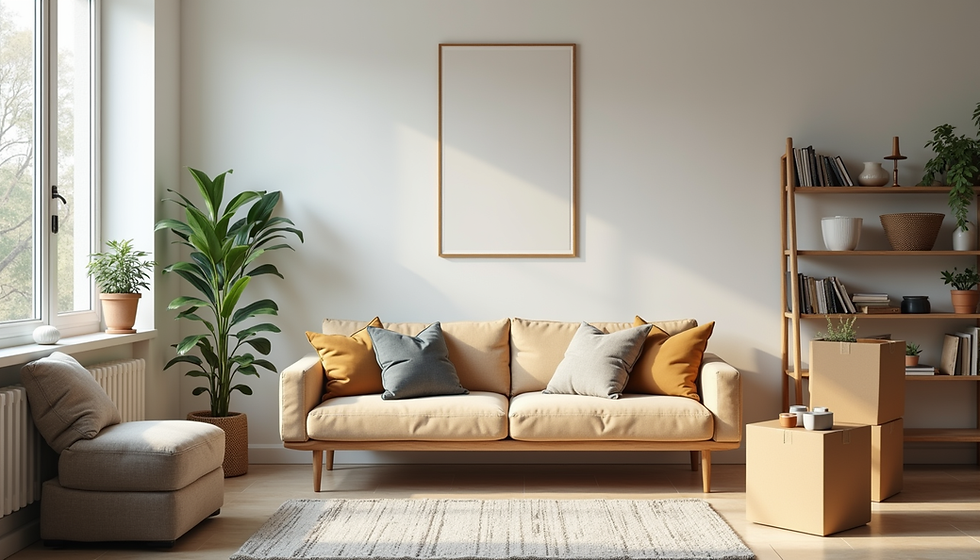
In a living room, a striking piece of art above the sofa combined with a sleek console table can create a stylish and balanced focal area.
Embrace Greenery and Natural Light
Plants and natural light improve mood and air quality while enhancing aesthetics.
Choose easy-care plants: Snake plants, pothos, or succulents thrive indoors with minimal effort.
Maximize windows: Use sheer curtains or blinds that open fully to let in daylight.
Create indoor gardens: Group plants of different heights and textures for a lush effect.
A sunlit corner with a mix of potted plants and a comfortable chair becomes a peaceful reading nook and a natural focal point.
Mix Old and New
Combining vintage and modern elements adds depth and personality to your home.
Repurpose antiques: Restore old furniture or use vintage accessories to add history.
Balance styles: Pair sleek modern pieces with rustic or mid-century items for contrast.
Avoid matching sets: Mixing styles feels more curated and less staged.
A dining room with a modern table and vintage chairs creates a welcoming space that feels both current and timeless.
Pay Attention to Details
Small details can elevate your interior design and create a polished look.
Hardware and fixtures: Choose door handles, light switches, and faucets that complement your style.
Textile finishes: Select curtains, cushions, and rugs with thoughtful patterns or trims.
Consistency: Maintain a cohesive color scheme and style throughout the home for harmony.
For example, matching matte black cabinet handles with black-framed mirrors and light fixtures creates a unified and sophisticated look.

Comments